AI Powered Sales Tools: What 6 Months of Testing Showed
AI powered sales tools can genuinely give a small team its evenings back, but only if you pick the right kind. After six months of testing, the pattern was clear: tools that demand daily babysitting quietly die in your tab bar, while tools that feed your pipeline from the top, with content people actually find, keep working. If you're a founder with no time, no marketing hire, and a nagging worry that automated output will sound robotic, this guide shows what to buy, what to skip, and why.
The Quick Answer: Most Sales Tools Fix the Wrong End of the Funnel
The best AI sales tools focus on filling your pipeline with new prospects, not just nudging the ones already sitting there. After six months of hands-on testing, the tools that stuck were the ones that ran quietly in the background, creating and distributing content without constant oversight. The ones that got dropped? They promised efficiency but required more setup time than the manual work they were meant to replace.
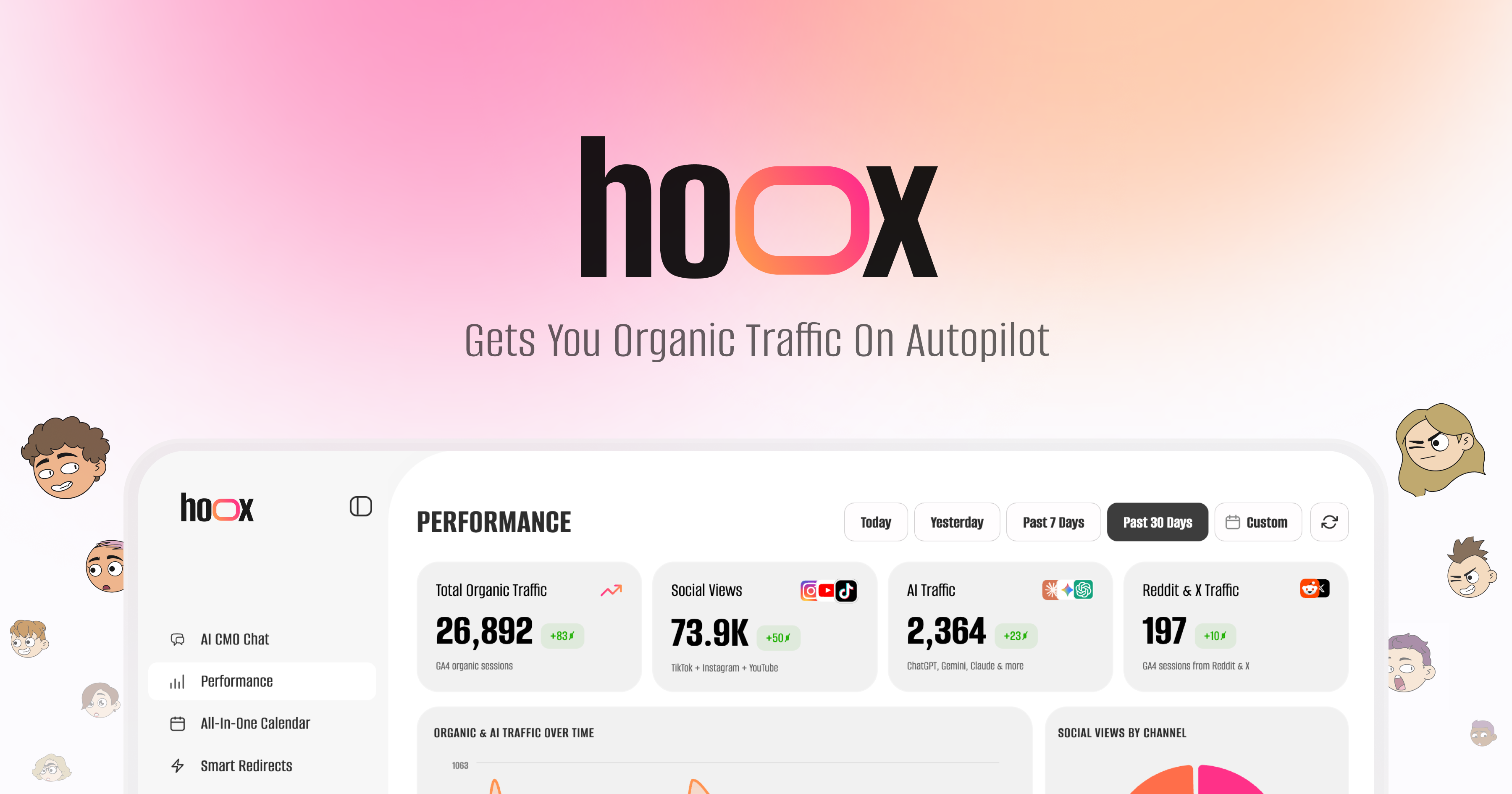
- Benefit: Automation that runs daily without prompts Risk: Tool fatigue from too many logins.
- Benefit: SEO content that ranks and brings in leads Risk: Generic AI output that sounds hollow.
- Benefit: Social presence on TikTok and Instagram Risk: Accounts that exist but have zero engagement.
Small teams rarely struggle because they lack tools. They struggle because every new login demands attention, and attention is the one resource no founder has in surplus. Once you see the full feature set of a truly autonomous system, it becomes obvious why point solutions for email sequences or CRM data enrichment rarely move the needle on their own.